The Seamstress Advantage: Why £40 of Tailoring Beats Another £200 Dress
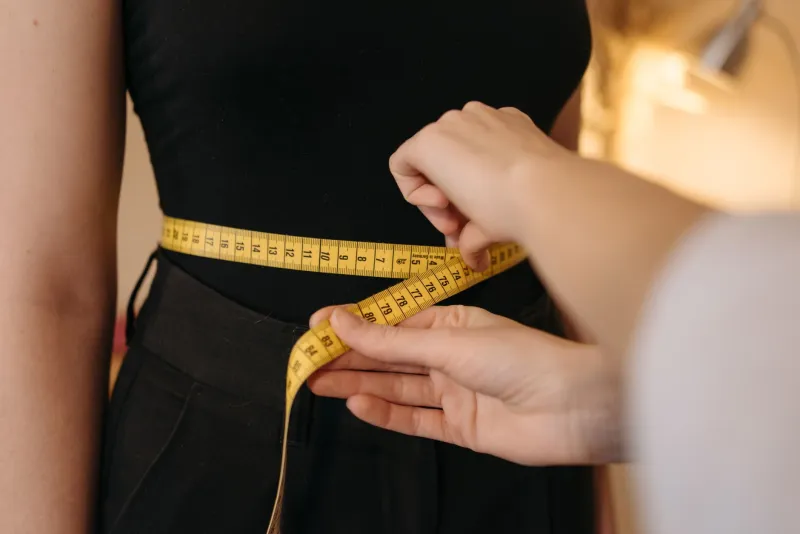
Most of us have been trained to read price tags as proof of quality. Spend more, look better. But the real luxury signal is not the label inside the neckline — it is the line across the shoulder, the way a waist seam sits flush against your back, the hem that stops at the exact right point on your shin. Fit is the quiet flex. And in 2026, the smartest wives are not buying more dresses. They are buying average dresses and having them fixed.
The £40 tailoring trick is not really a trick. It is a series of small, boring alterations that most people never bother with. A seamstress can take a high street dress from 'that is nice' to 'where did you get that?' in under a week. The trick is knowing which seams to touch, when to walk away, and how to brief the person holding the pins without sounding like you are guessing.
Start with the shoulders, not the waist
A tailor can take in side seams, add darts, shorten a hem and adjust straps. What they cannot easily do is rebuild a shoulder. If a dress pulls across the upper back, digs into your armpits or has a shoulder seam hanging past your actual shoulder, put it back. That is not a £40 fix. That is a different dress.
Before you buy, check three things in the changing room: the shoulder seam, the bust line and the waist. If the shoulder sits correctly and the fabric does not gape at the bust, almost everything else can be adjusted. If the shoulders are wrong, no amount of pinning will save it.
The seams that actually change the look
Side seams
This is the workhorse alteration. Taking in the side seams at the waist by one to two centimetres per side can turn a boxy shift into something that skims instead of sacks. Ask for a 'clean line, not tight'. You want to be able to sit down without the fabric pulling across your hips.
Bust darts
A gaping bust is the most common high street problem. A good seamstress can add or deepen bust darts to stop the fabric standing away from your body. This is usually a small job with a big payoff, especially on button-down dresses and wrap styles. If the gaping is severe, it may be a size issue rather than a dart issue — try one size down before you commit to alterations.
Centre back seam
A centre back seam can be taken in to define the waist without touching the side seams. This is useful on dresses with a back zip or a straight-cut shape. It is also a good option if you are between sizes and do not want the hips to get tighter.
Hems
Shortening a hem is the easiest alteration to overdo. The right hem depends on the shoe you will actually wear. Take the shoes to the fitting. A midi that hits the top of a boot looks deliberate; a midi that hits the widest part of your calf looks like it was meant to be longer. As a rule, if a dress is more than three centimetres too long, shorten it. If it is one centimetre too long, leave it alone and stop overthinking.
Straps
Shortening straps is a ten-minute job that fixes a drooping bust line and stops you yanking at the neckline all evening. It is also one of the cheapest alterations you can ask for.
How to brief a tailor without sounding unsure
Do not say 'just make it fit'. That is not a brief; that is a wish. Wear the underwear and shoes you plan to wear with the dress. Bring the dress clean and pressed if possible. Stand in front of the mirror and point to the exact place where the fabric stands away from your body. Say: 'I want this to sit flat here without pulling across the bust,' or 'I want the waist taken in by about two centimetres, but I still need to be able to sit down.'
Ask for a fitting before they sew. A good tailor will pin the dress on you and let you sit, walk and raise your arms. If they do not offer a fitting, find another tailor. The whole point is that the dress fits your real life, not your standing-still life.
Before and after: three realistic examples
A £49 Zara midi with a gaping bust and long straps: add bust darts and shorten straps. Cost: around £25 to £30. Result: the neckline sits flat and the dress stops looking like it is borrowing your body.
A £65 M&S linen dress that is boxy through the waist: take in the side seams and centre back seam. Cost: around £30 to £40. Result: it keeps the relaxed fabric but gains a waist. It looks like a dress you chose, not a dress you settled for.
A £120 Whistles dress that is two inches too long: shorten the hem and take in the waist slightly. Cost: around £35 to £45. Result: the length becomes deliberate and the whole dress reads more expensive.
The 2026 cost breakdown
In the UK this year, expect to pay roughly £15 to £25 for a simple hem, £12 to £18 for bust darts, £18 to £28 for side seams, £10 to £15 for strap shortening and £35 to £55 for a fuller take-in. A typical 'make this dress work' job — waist, bust and hem — lands around £40 to £60 depending on where you live. London prices will be higher; a local seamstress or a dry cleaner with an alterations desk will usually be lower.
The maths is simple. A £60 dress plus £40 of alterations is £100. It will fit you better than a £200 dress that almost fits. And unlike another new dress, it will keep fitting because the shape has been cut to you.
The rule to take to the till
Before you buy anything, ask yourself: can this be fixed for under £50? If yes, and the shoulders are right, buy it and book the tailor. If no, leave it. The high wife does not need a wardrobe full of almost-right clothes. She needs a handful of things that look like they were made for her — even when they were not.